Future Homes Hub
Working in partnership on the climate and environment plan for new homes. We’ve joined the Future Homes Hub to help shape practical solutions for lower-carbon housing.
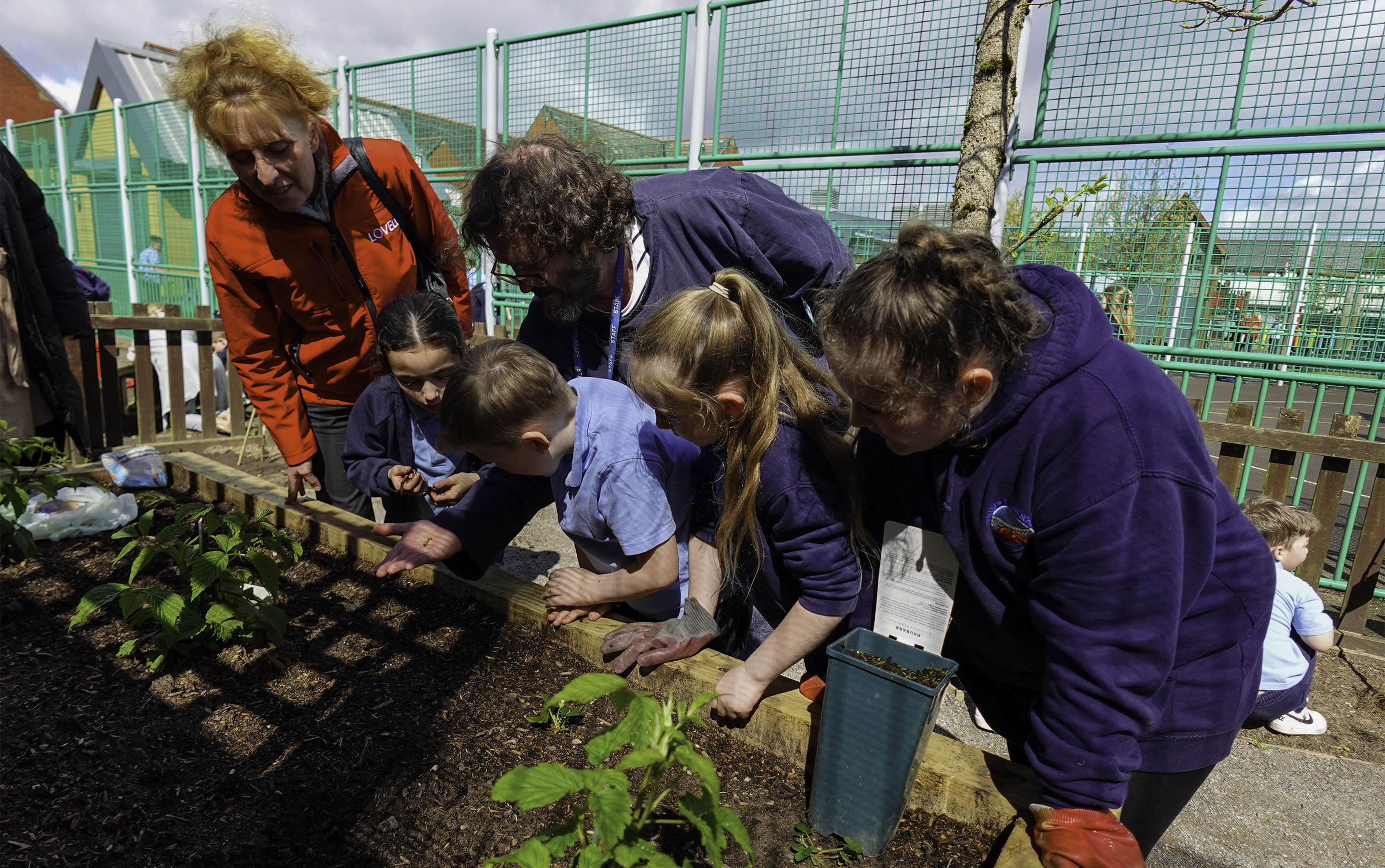
We're committed to enhancing every community that we work in. We're constantly challenging ourselves, our partners, and our supply chain, to identify better ways to deliver.This includes developing initiatives that create lasting natural capital within our communities. It isn't all about big national solutions. We know that sometimes the smallest local initiatives can deliver the greatest local impact.
"We know that the construction and regeneration sectors have a genuine role to play. It's for the planet, for people and for business. We are taking steps to reduce our environmental impact during our construction activities and are implementing a range of measures to achieve this.
In 2025, for example, Lovell diverted 99.7% of our waste nationally from Landfill. Our parent company, Morgan Sindall Group become the first construction company in the UK to achieve accredited science-based emission reduction targets and, in 2012, the first non-FTSE 350 company ever to be included in the Climate Disclosure Leadership Index.
Morgan Sindall Group has achieves an 'A-' grade from CDP and a ESG Rating of AAA from MSCI for the sixth year running, recognising its transparency and efforts on climate action. As one of only 424 companies globally to achieve this top rating, the company has been singled out for its leadership in sustainability each year for the past three years. The Group is driving real progress in reducing emissions and promoting sustainable practices across its supply chain. The full methodology and criteria for the 'A' List is available via the link.
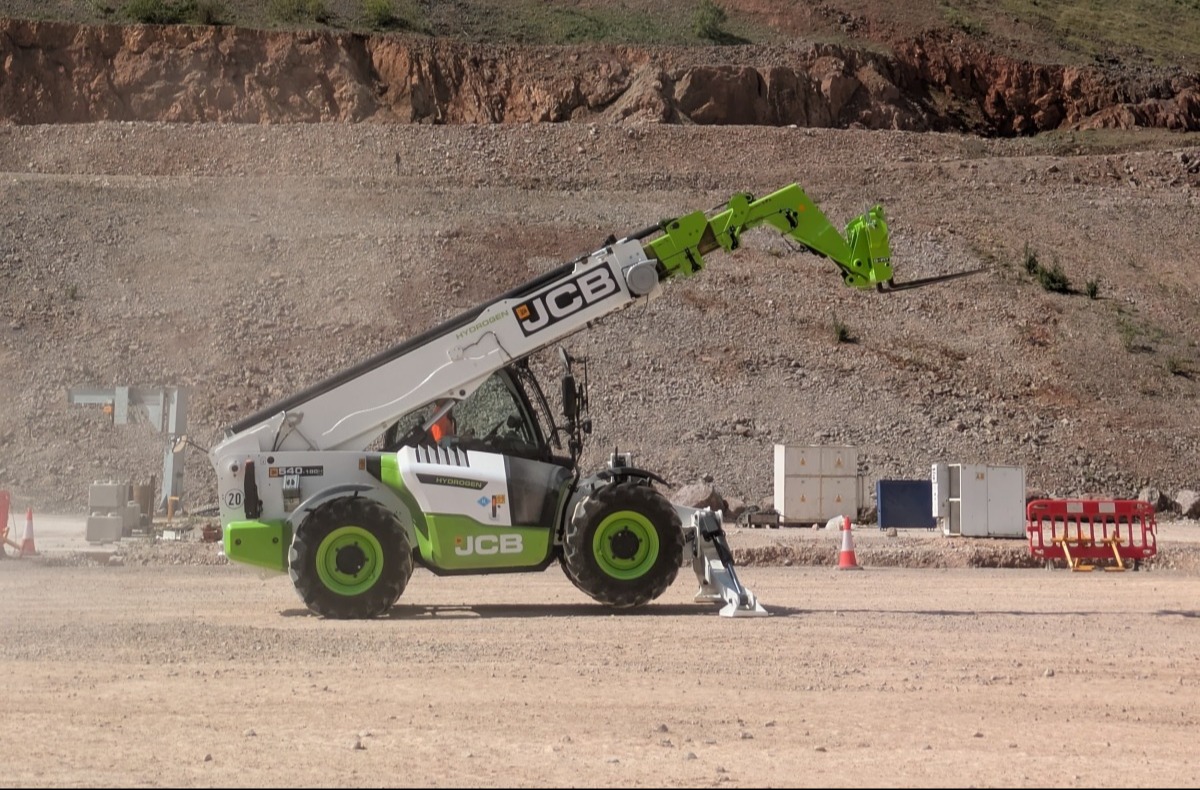
From taking practical steps to reduce waste on site to careful consideration of local surroundings, we take steps to reduce the environmental footprint of our projects.
Carbon Calculator
Working in partnership on the climate and environment plan for new homes. We’ve joined the Future Homes Hub to help shape practical solutions for lower-carbon housing.

The Dorn Valley woodlands (as part of our 25-year initiative with Blenheim Estate Land to help plant 270,000 trees of 27 different species) is transforming the local environment by creating 9 new woodlands.
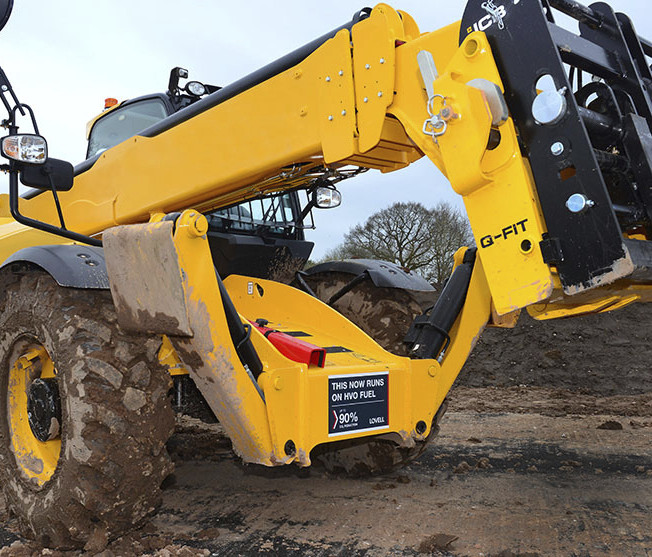
Lovell adopted Science Based Targets for reducing its carbon emissions some years ago, and recognised diesel use in our site operations (primarily generators and telehandlers) was a major contributor to our CO2 production.
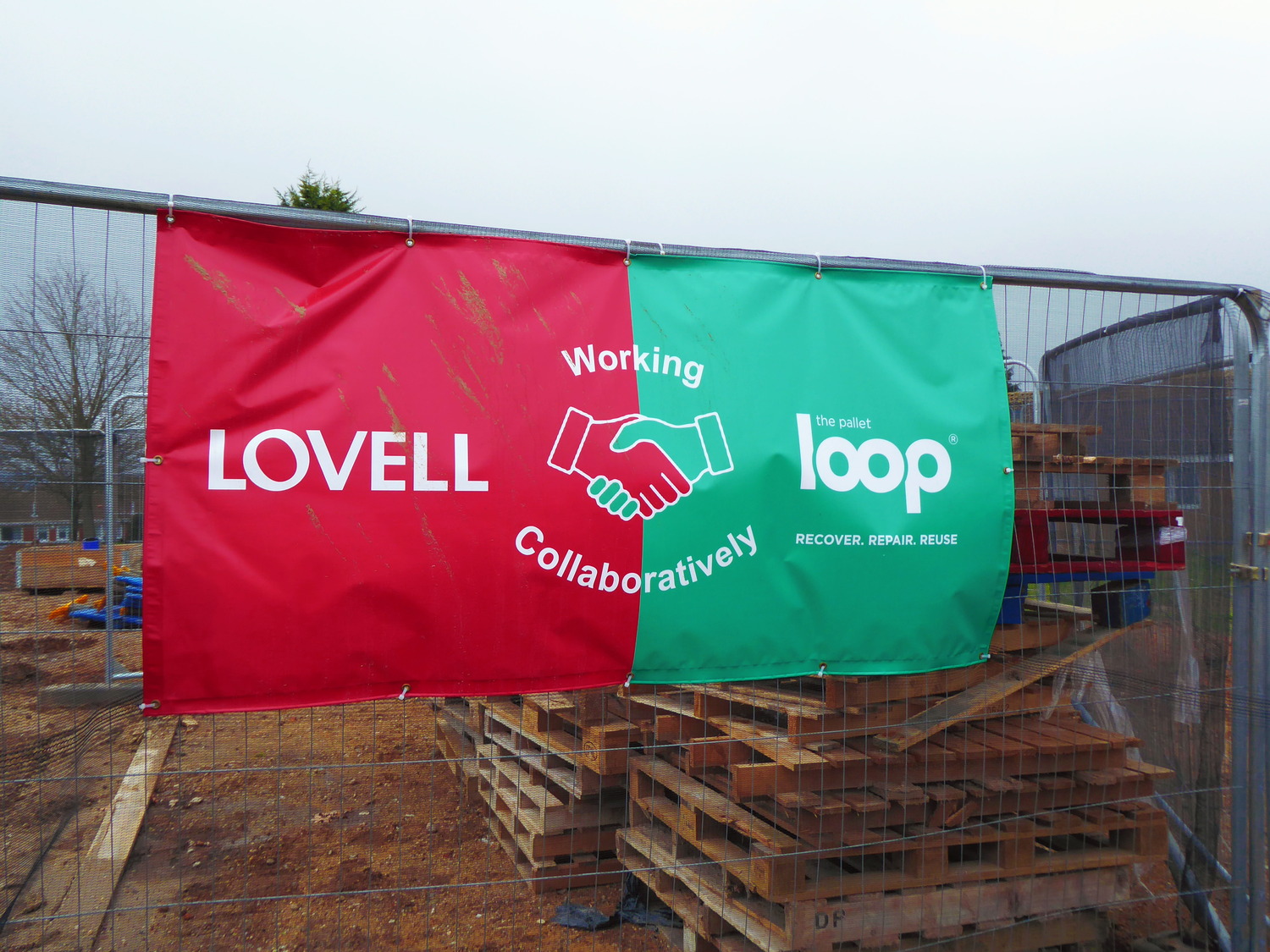
Lovell has set ambitious targets for reducing waste and increasing recycling rates and it measures the performance by using two key indicators: waste intensity and landfill diversion rate.
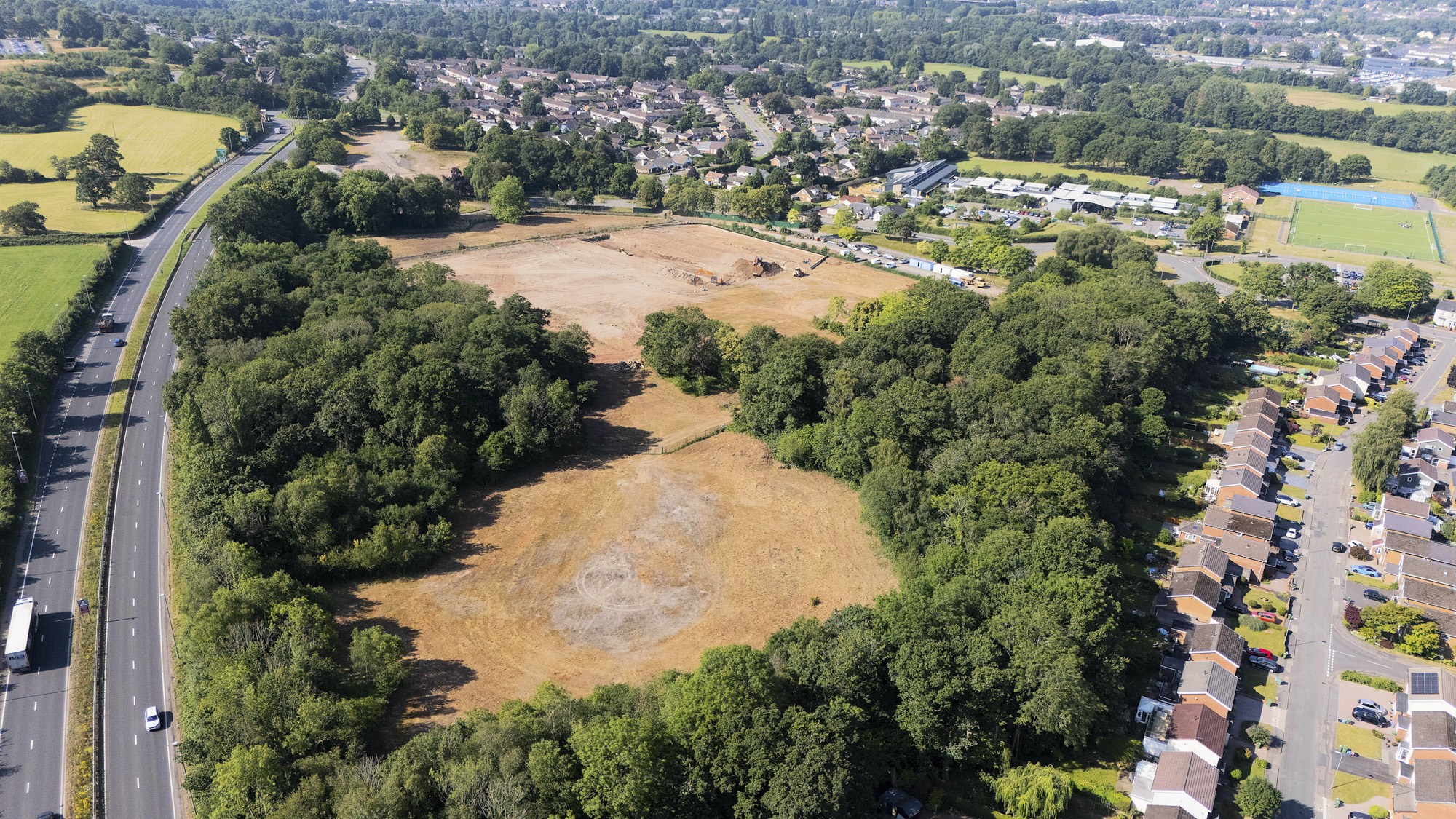
Leading partnerships developer Lovell has been selected by Codi Group to deliver a new 143 home development on the site of the former County Hall. Site of the former County Hall, Cwmbran The £35.6 million development will comprise 143 homes,...
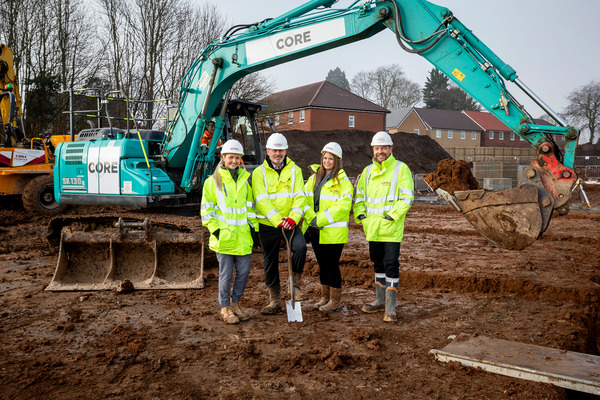
Lovell has officially broken ground on its latest eco-conscious housing development in Hessle, marking the start of construction on 54 new homes. Valued at £19 million, this mixed-tenure development will feature cutting-edge air source heat pumps, making it entirely gas-free,...
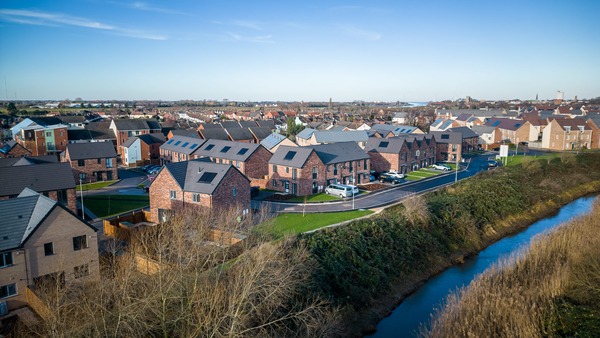
Lovell, in collaboration with King’s Lynn and West Norfolk Borough Council, have already secured a regional award and are hoping to continue this success by being crowned winner at the national awards later this month. The project, featuring 105 new...
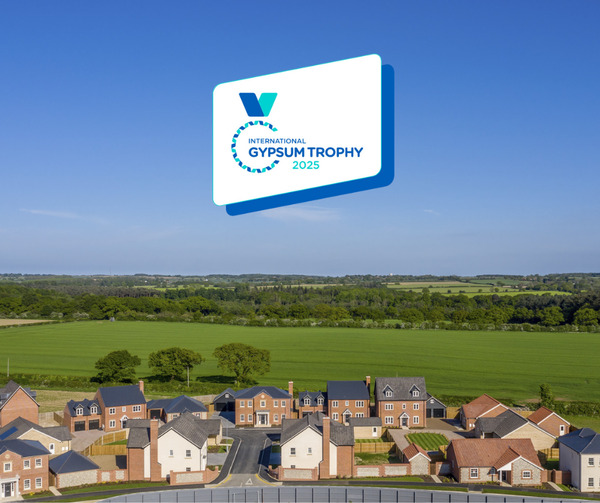
We are thrilled to announce that Lovell has won the UK National Gypsum Trophy in the ‘residential category’ for our work on Heath Farm in Holt, Norfolk. This award from British Gypsum celebrates innovation, craftsmanship, and the use of sustainable...
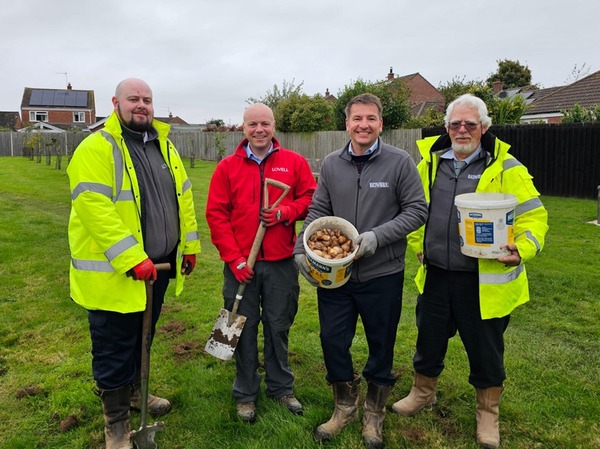
On Tuesday 15 October 2024, Lovell employees volunteered their time during their lunch break to help Holt Town Council to plant thousands of bulbs along Beresford Road in Holt. Sasha Bainbridge, partnerships director at Lovell, said: “We are always eager...
The Lovell Responsible Business report for 2023 has now been published Each year we produce a responsible business report which provides updates on our work in this area. All our Lovell regions contribute to the report, but there is so...