At a glance
0.6ACH Passivhaus airtightness standard
89.25 average EPC level B rating with SAP rating
12kWh Annual heating demand
12.97kgCO2 CO2 emissions
0.6ACH Passivhaus airtightness standard
89.25 average EPC level B rating with SAP rating
12kWh Annual heating demand
12.97kgCO2 CO2 emissions
Sustainability was the key driver for this development, which saw 50% of the properties reach Passivhaus standard, resulting in outstanding homes for local people that were so energy efficient that no central heating system was required.
Hindolveston Road, Fulmodeston and Barney
Hindolveston Road, Fulmodeston and Barney, Norfolk
Broadland Housing and North Norfolk District Council
£1.03 million
The houses are so energy efficient no central heating system is required - a first for Passivhaus schemes in the East of England
Runner Up for The Askham Award (recognising creative and sympathetic use of existing land or buildings) at the Campaign to Protect Rural England Norfolk Awards 2015
Green Apple Silver Award 2014
Finalist in the Architectural Design category at the UK Passivhaus Awards 2014
Best New Affordable Housing Scheme at the Housing Excellence Awards 2014
Winner: Best New Affordable Housing Scheme at the Housing Excellence Awards 2014
Green Apple Silver Award 2014
Finalist in the Architectural Design category at the UK Passivhaus Awards 2014
Best New Affordable Housing Scheme at the Housing Excellence Awards 2014
Runner Up for The Askham Award (recognising creative and sympathetic use of existing land or buildings) at the Campaign to Protect Rural England Norfolk Awards 2015
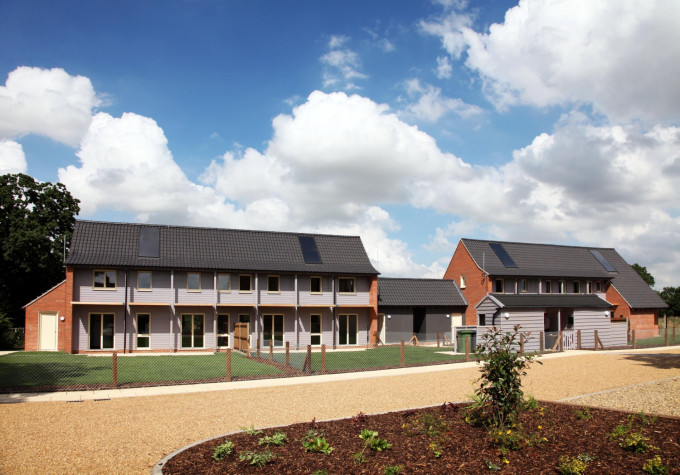
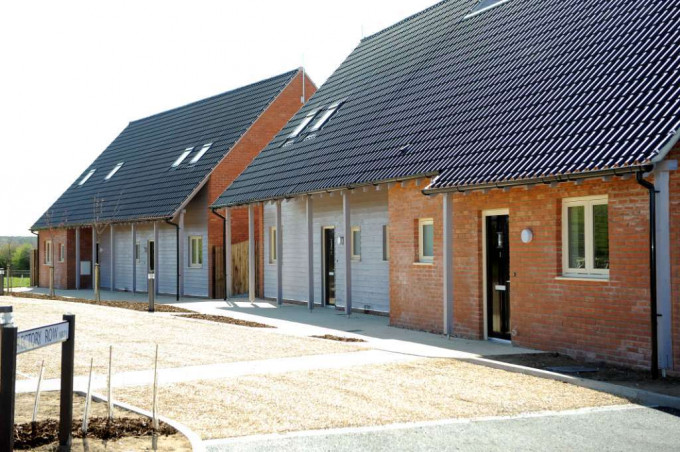
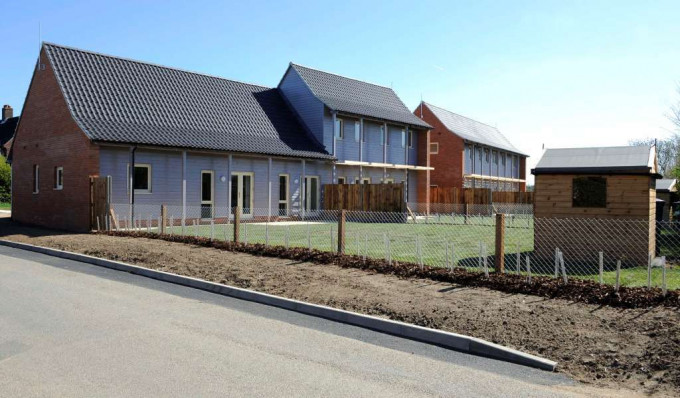
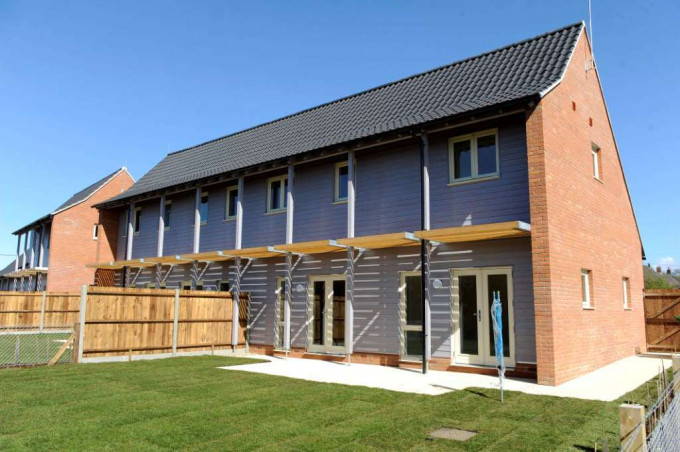
On land donated by Lord Hastings with the proviso that the homes would represent maximum sustainability and exemplar design, Lovell built eight homes on two sites, with the four homes at Fulmodeston built to achieve Passivhaus certification. Development was permitted under the Rural Exception Housing policies to provide affordable homes for local households.
The area suffers from high fuel poverty, low average incomes and no mains gas provision. The Passivhaus approach significantly reduced energy costs, leaving householders with disposable income to afford their home, free from risk of fluctuating fuel costs.
The four properties at Barney were built to achieve code level 3 and the four homes at Fulmodeston were built to achieve Passivhaus. The core focus of the Passivhaus standard is to reduce the requirement for space heating and cooling through the use of efficient building fabric, whilst also creating excellent indoor air quality and comfort levels. In addition, the homes had:
Thermo-efficient building materials
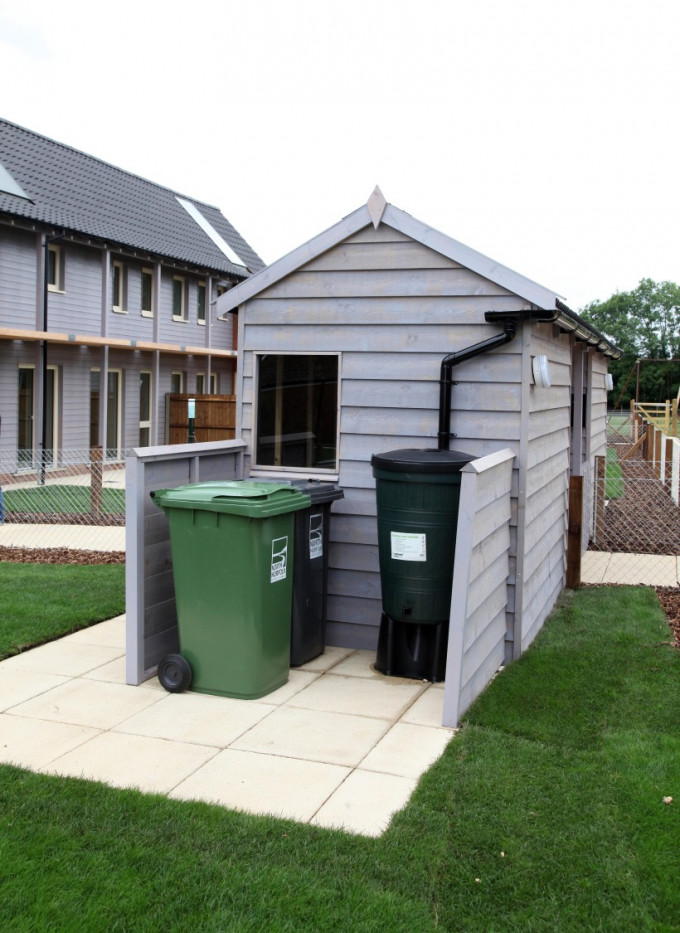
210 litre rainwater butts to each property
Double-glazed windows - or triple-glazed windows to the Passivhaus certified homes
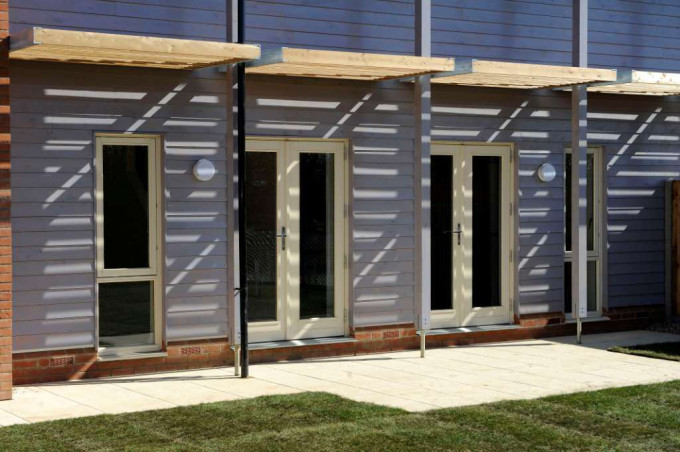
Solar shading to prevent homes from overheating
Mechanical Ventilation Heat Recovery
Water-saving devices to bathrooms and kitchens
Low energy light fittings to all properties
The houses are so energy efficient that no central heating system is required, which was a first for Passivhaus schemes in the East of England.
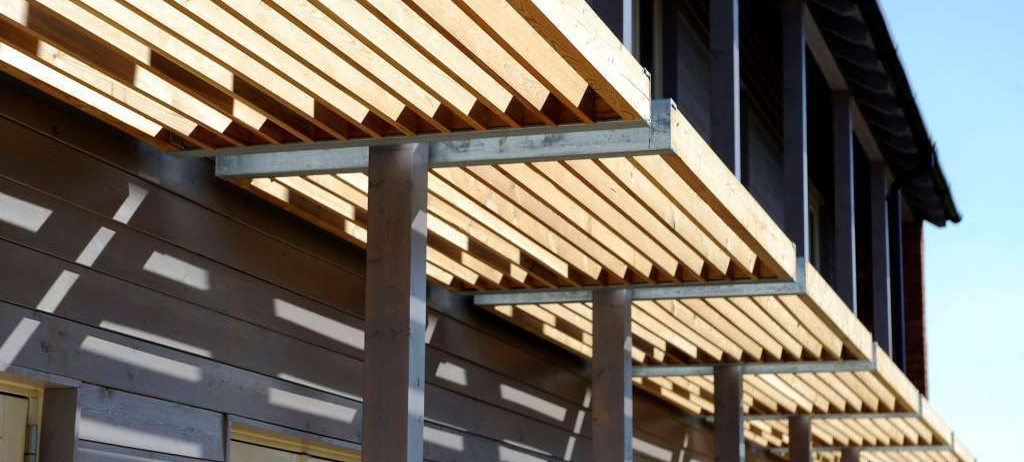
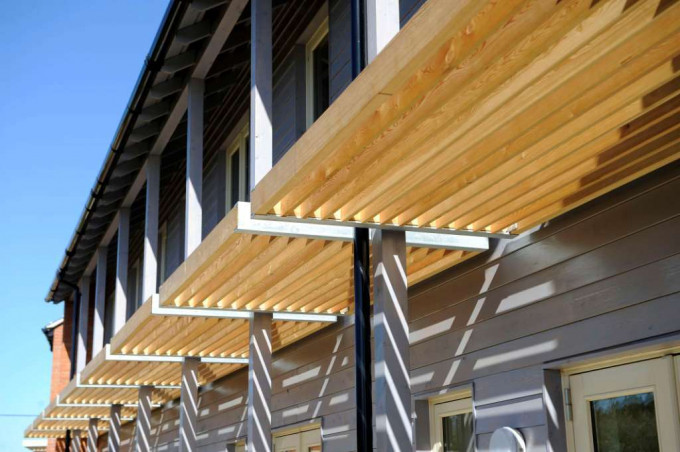
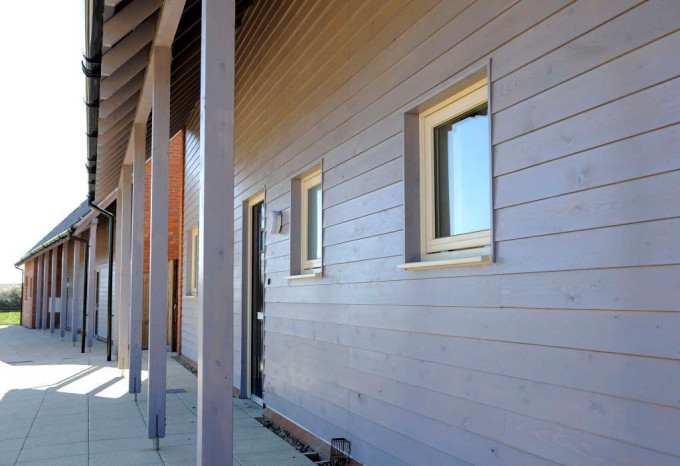
The homes were constructed using a panelised SIP system offering very high levels of air tightness and reduced thermal bridging. Passivhaus-accredited composite windows add to high energy performance and ensure indoor comfort. Shading is provided by larch brise-soleils with locally-sourced larch lapped rain screen cladding chosen for the façade.
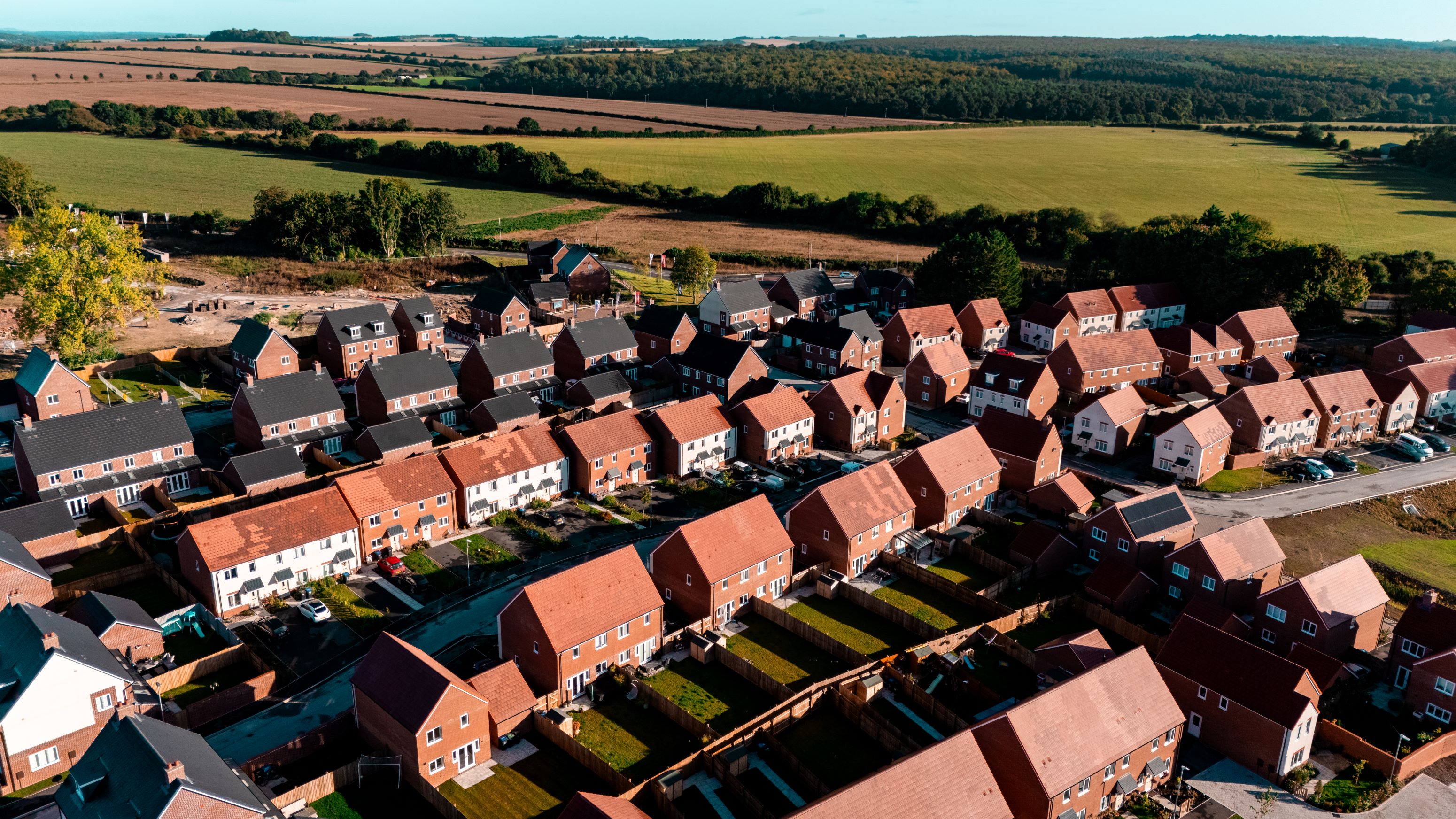
Drummond Park is a major regeneration initiative transforming a former Ministry of Defence site into a mixed‑tenure neighbourhood that strengthens local housing supply and supports long‑term growth in Ludgershall. Working in partnership with Stonewater, Homes England, Wiltshire Council and Alabaré,...
As a leading provider of affordable and sustainable housing in the UK, Lovell is committed to reducing its environmental impact and enhancing social value. One of the key aspects of this commitment is reducing the amount of waste generated by...
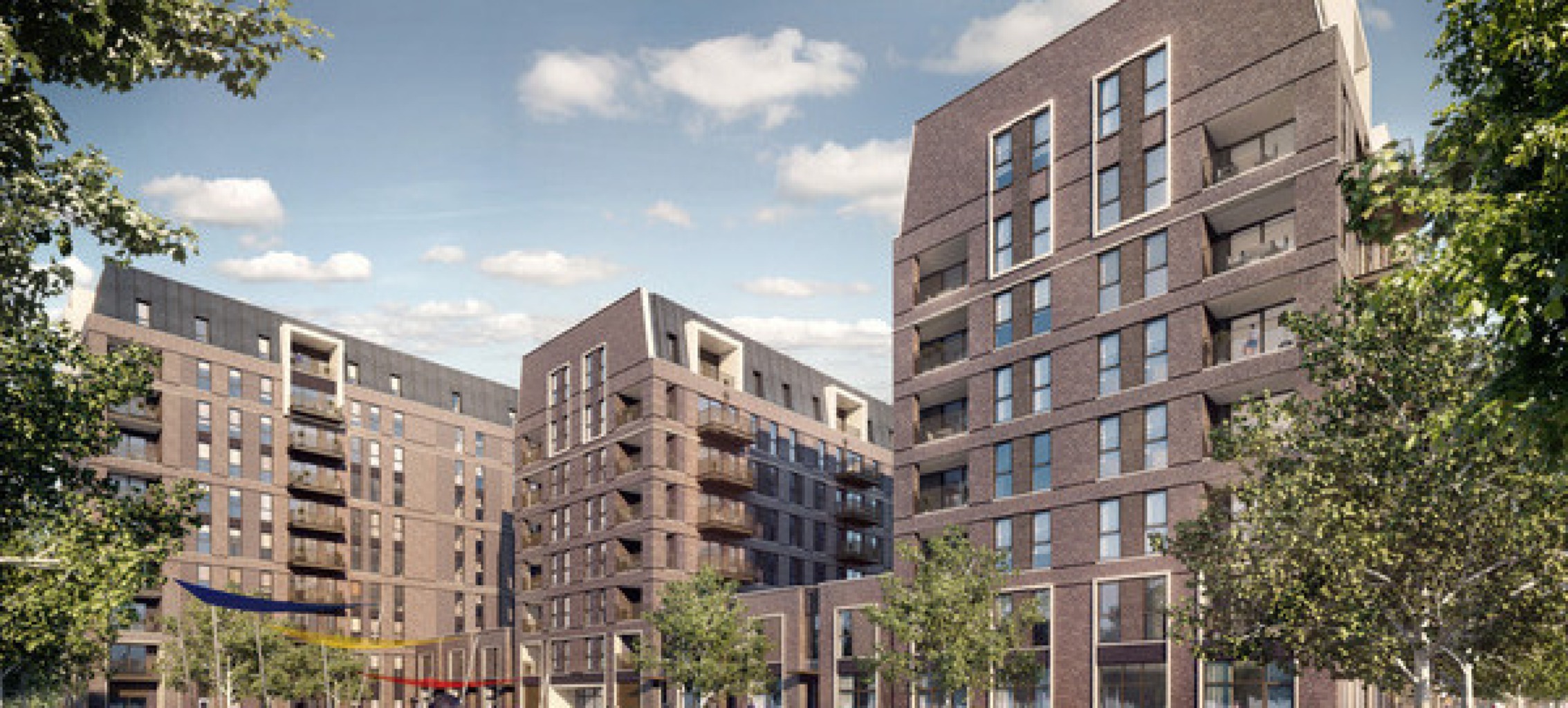
Signal Park is the first phase of a new Shared Ownership development in Tolworth. Constructed over two years, Signal Park features a 211 one, two and three bedroom apartments and commercial spaces, including a creche. Project 211 new homes Location...
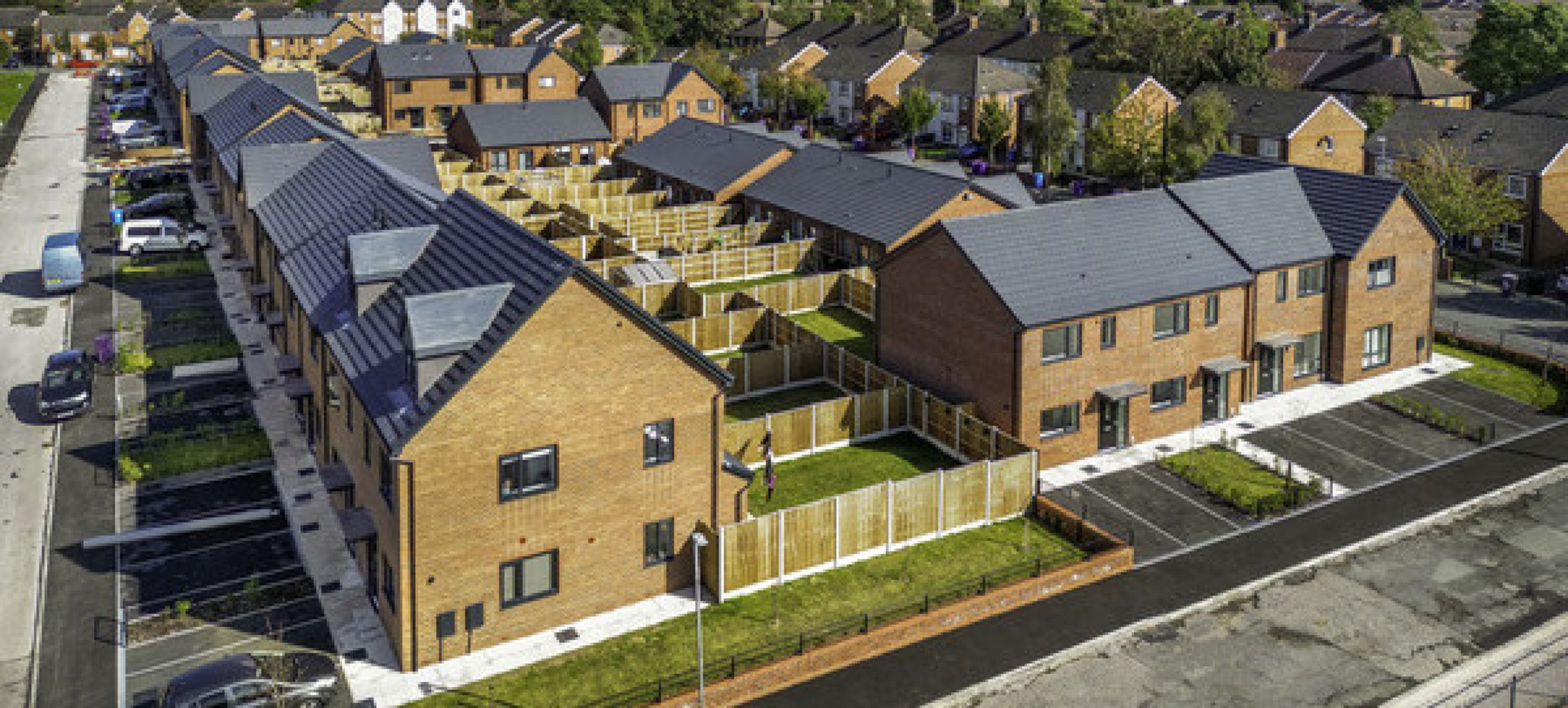
Lovell Partnerships has delivered a major regeneration in the Denford Road area of Liverpool to create 105 affordable and social housing properties in partnership with Liverpool City Council and housing association Riverside, funded by Homes England. Project 105 new homes...
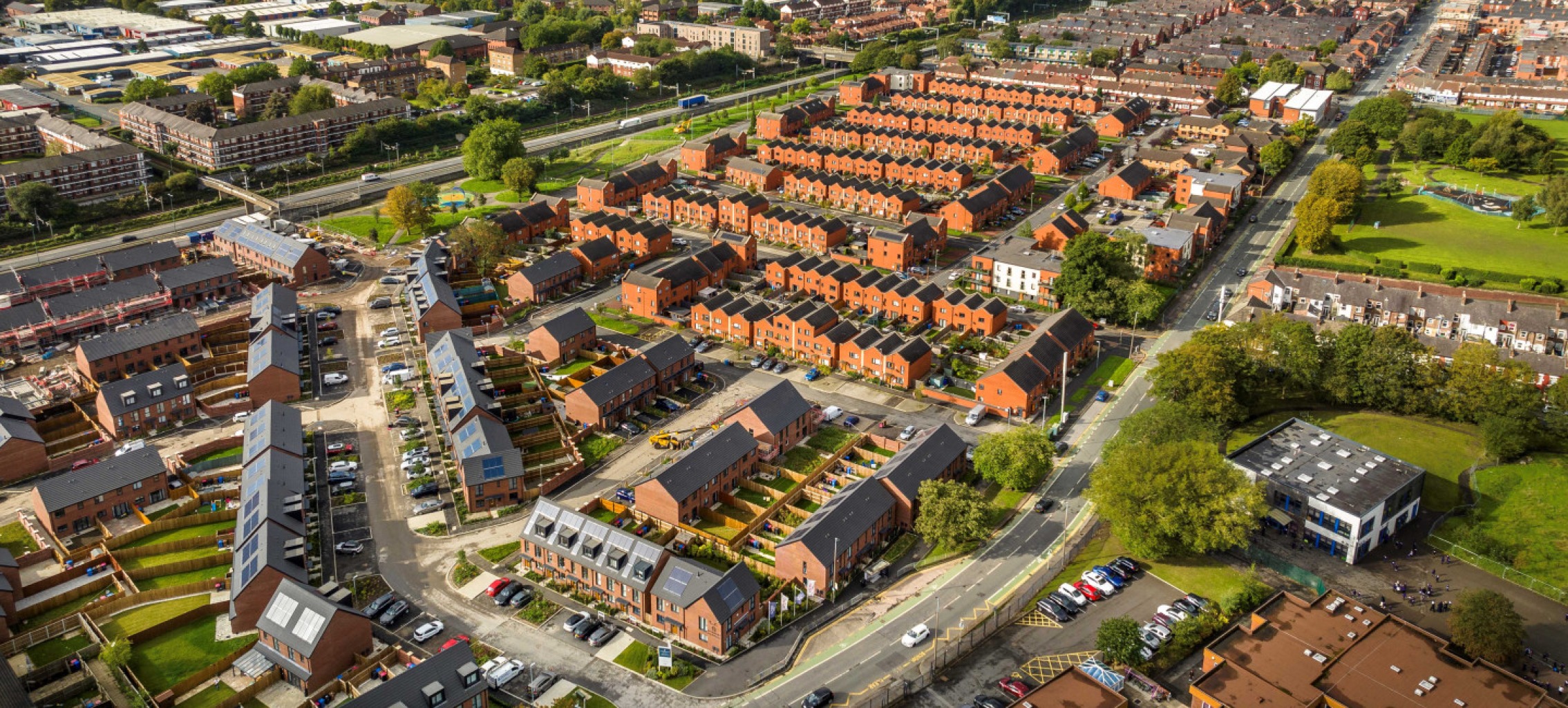
Spinners Quarter in Pendleton, Salford is the first development delivered by Lovell Together LLP. It is part of the wider Pendleton Regeneration Area - one of Greater Manchester's largest housing regeneration schemes delivering c1,500 new-build, mixed tenure housing by 2031....